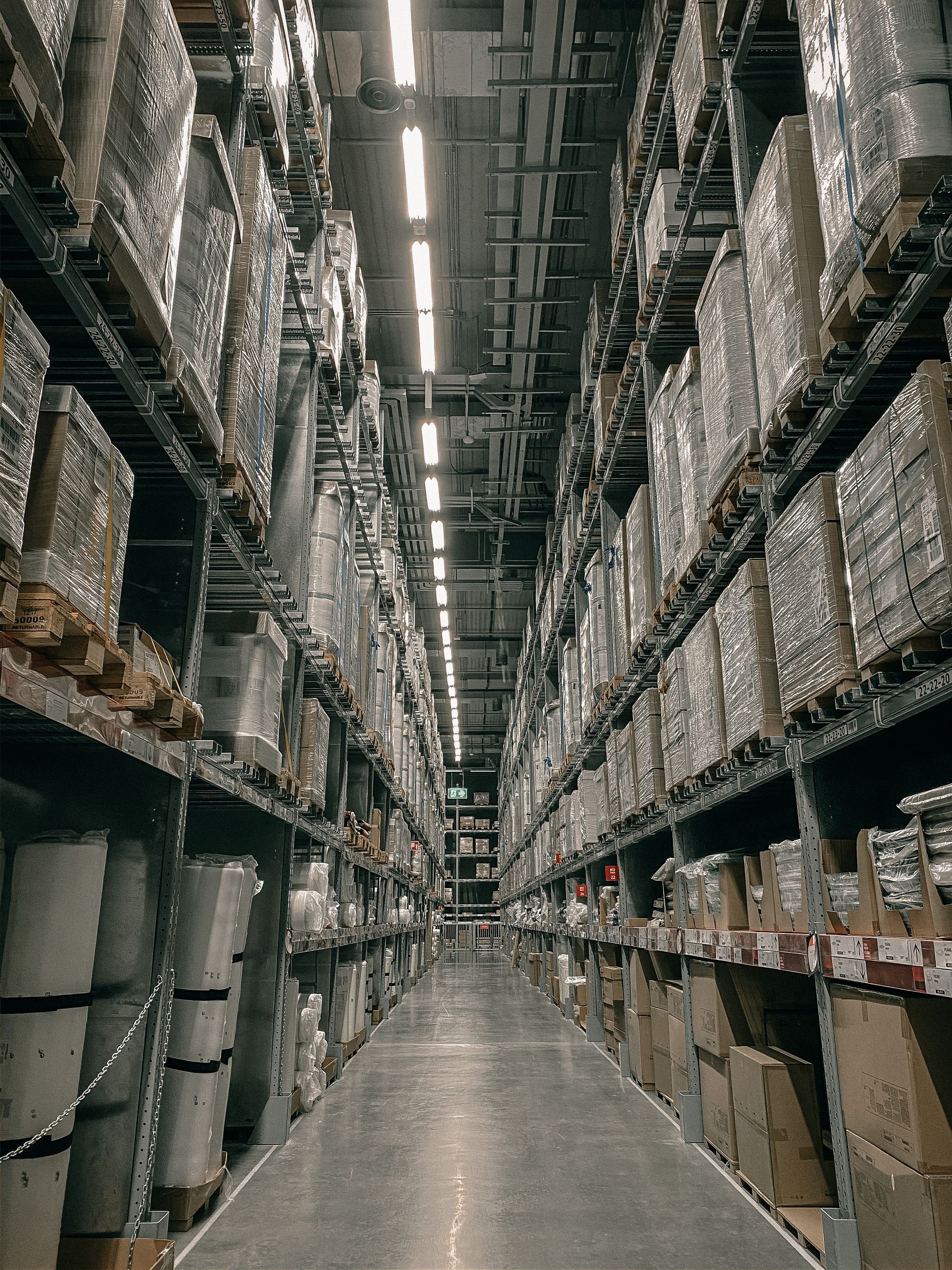
One inventory for the shop floor and the website
Selling across two channels with two inventories always ends the same way: you sell something online that left the shelf this morning. We connect your systems so stock is a single number that keeps itself current.
The problem isn’t the website — it’s that the systems don’t talk
The POS knows what sold over the counter this morning. The ecommerce knows what sold overnight. The ERP has the correct prices. And someone, every day, reconciles all three by hand.
That work doesn’t just cost hours: it creates expensive errors. Selling out-of-stock products, stale prices on the site, orders typed twice and wrong once.
What we connect
Real-time stock
A counter sale draws down the website and vice versa. No waiting for end of day.
Catalogue and pricing
New products, photos, descriptions and price lists updated across every channel from one place.
Orders and invoicing
The web order lands in the ERP with its tax details, and the invoice goes out untouched.
Marketplaces
Amazon, eBay and others working off the same inventory as your site.
Shipping and logistics
Labels, tracking and customer notifications without opening the carrier’s panel.
CRM and customers
Online and in-store purchase history living on the same customer record.
Platforms we integrate
We work with the ERP you already have
We’re not here to sell you a system migration. Most ERPs and POS systems on the market expose an API or allow scheduled exports, and that’s enough to build a solid integration on.
When a system really is closed, we say so plainly and weigh the options: a middleware connector, a scheduled sync, or — if there genuinely is no way through — putting the case for changing it with numbers on the table.
Assessment first
We check what each system actually allows before promising anything.
Failure-tolerant sync
Retries, error logging and alerts when something stops reconciling.
No downtime
Rolled out in phases, alongside what already works.
Integration FAQs
What if my ERP is old and has no API?
Very common, and nearly always solvable. Many older systems can export files on a schedule or expose their database, and a reliable sync can be built on that. We check before quoting so we never promise the impossible.
How often does stock update?
It depends what your system allows and what you need. Usually real time or every few minutes. On very large catalogues it can be worth mixing: real time on fast-moving lines, scheduled sync on the rest.
Can I sell on marketplaces from the same stock?
Yes, it’s one of the most requested cases. The key is having one source of truth for inventory that every channel reads from, rather than syncing each channel against every other.
What happens if the integration fails one day?
It’s designed for that: automatic retries, a queue of pending operations and an immediate alert when something doesn’t reconcile. What must never happen is silent failure that you hear about from an angry customer.
Tell us which systems you run
With your ecommerce, POS and ERP we can tell you whether they can be connected and how we’d do it.